As your baby becomes a toddler, everything starts to change. They are walking, talking, and exploring the world around them—and their teeth are growing too. The toddler years are critical for developing strong dental habits that can last a lifetime.
At Children’s Dental Healthcare, we recognize that the foundation for lifelong oral health is laid in these early years. Here is what parents should know about dental care during the toddler stage, typically between the ages of one and three.
Establishing a Brushing Routine
By the toddler years, your child should have several teeth; some may even have 20 primary (baby) teeth by age three. This is the perfect time to make brushing and flossing part of their daily routine.
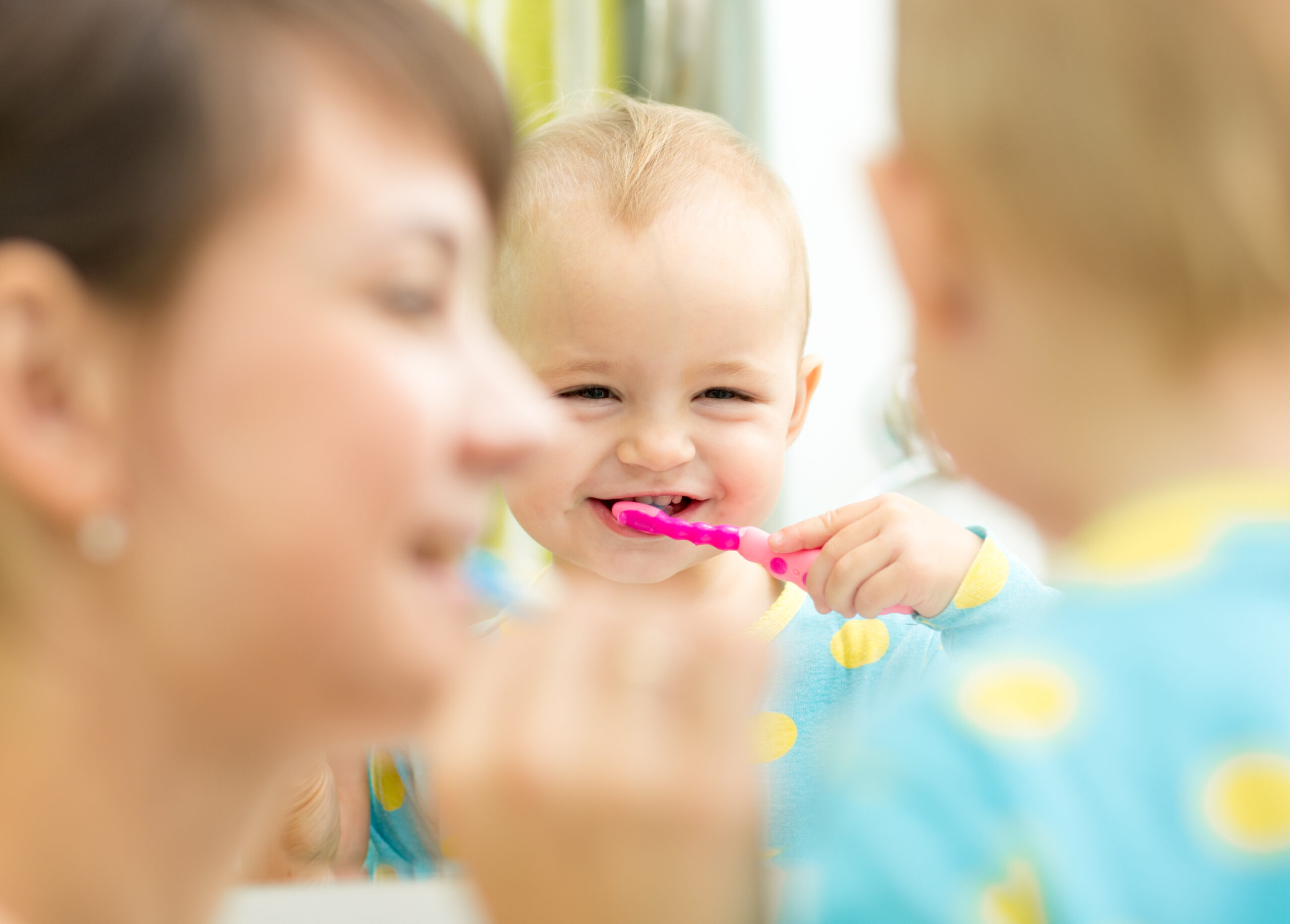
- Brush your toddler’s teeth twice daily using a soft-bristled toothbrush and a pea-sized amount of fluoride toothpaste.
- Help them brush until they can do it effectively, often around age six or seven.
- Start flossing as soon as two teeth are touching each other.
Make brushing fun by playing a song, using a colourful toothbrush, or brushing together as a family. Toddlers love routines, and making brushing a consistent part of their day helps create positive habits.
Monitor Their Diet

Toddlers often snack throughout the day, increasing the risk of cavities. Help protect their teeth by:
- Limiting sugary snacks and drinks
- Offering water instead of juice or milk between meals
- Encouraging crunchy fruits and vegetables that help clean teeth
Sticky snacks, such as raisins, fruit, and granola bars, tend to cling to teeth and feed cavity-causing bacteria. Be sure to brush after these types of treats when possible.
First Dentist Visits Matter
Your child’s first dental visit should occur by their first birthday or within six months of their first tooth. Regular checkups every six months help catch minor issues before they become big ones.
We create a welcoming and playful environment at Children’s Dental Healthcare that puts both kids and parents at ease. Dr. Hooman Arjomand, known as Dr. A, is a pediatric dental specialist who understands the needs of toddlers and takes a gentle, educational approach to care.
During your toddler’s visit, we will:
- Examine their teeth and gums
- Monitor development and spacing
- Apply fluoride treatments if needed
- Discuss brushing, flossing, and nutrition tips
- Answer any questions you have about oral care
Stay Consistent

Toddlers thrive on consistency, and that applies to dental care as well. If your child resists brushing, remain patient and continue with daily care. Positive reinforcement, fun routines, and regular dental visits will go a long way in promoting good oral health.
Schedule Your Toddler’s Next Appointment
Good dental habits begin young. Let us help you make oral care easy and fun for your toddler.
Children’s Dental Healthcare
3051 Walkers Line, Unit 9, Burlington, ON
Phone: (905) 332-8880
Email: Burlington@ChildrensDentalHealthcare.com
Website: www.childrensdentalhealthcare.com
Together, we can keep your toddler’s smile healthy and bright.
FAQ
Q1: How should I brush my toddler’s teeth?
A: Use a soft-bristled toothbrush and a pea-sized amount of fluoride toothpaste. Brush twice a day and help your child until they can brush independently, which typically occurs around age 6 or 7.
Q2: When should I start flossing my toddler’s teeth?
A: Start flossing as soon as any two teeth are touching. Flossing helps prevent cavities between teeth and is an important habit to build early.
Q3: What foods and drinks should I avoid to protect my toddler’s teeth?
A: Limit sugary snacks, juice, and sticky foods like granola bars or dried fruit. Offer water between meals and encourage crunchy fruits and veggies that help clean teeth naturally.
Q4: How often should toddlers see the dentist?
A: Toddlers should have a dental checkup every six months. Regular visits help monitor growth, prevent cavities, and support healthy habits at home.
Q5: What can I expect at my toddler’s dental visit?
A: Dr. A will examine your child’s teeth, monitor spacing and development, provide fluoride if needed, and guide you on brushing, flossing, and healthy eating for oral health.